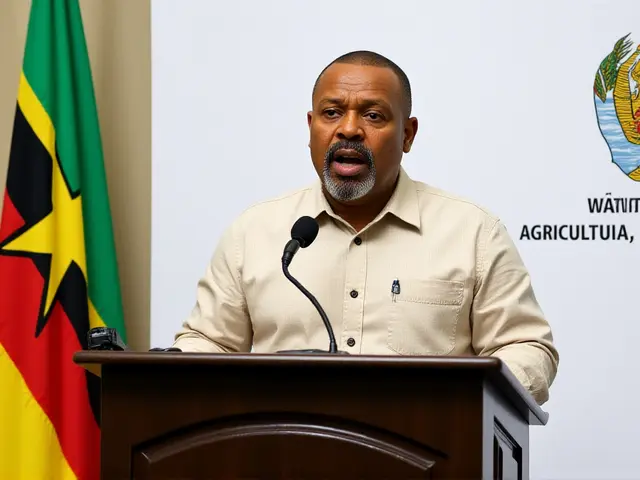
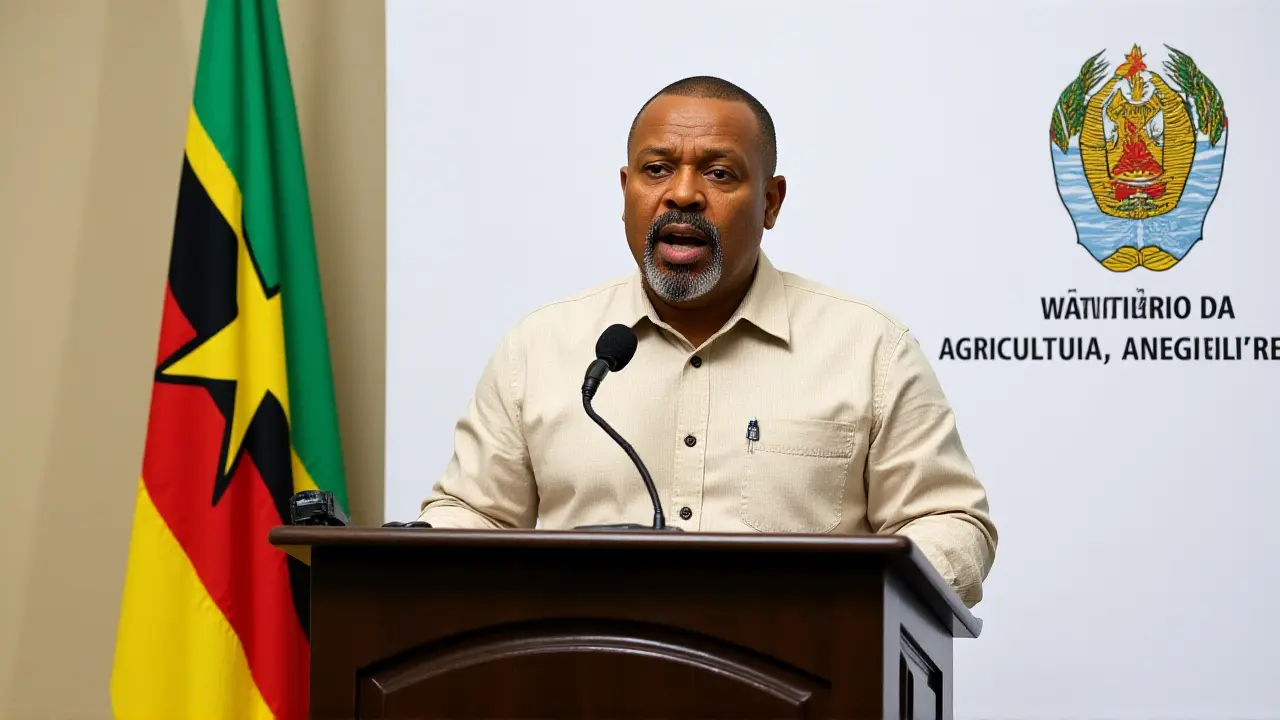
It’s a small sum in the grand scheme of national budgets, but for the rural farmers of Mozambique, it could mean the difference between a thriving herd and total loss. The government has committed approximately $600,000 to purchase veterinary vaccines, a move announced by Roberto Albino, Minister of Agriculture. While the figure might not make headlines globally, it signals a targeted effort to shore up the country’s agricultural backbone against preventable diseases.
The announcement came from the Ministry of Agriculture, with Albino confirming that public funds are being allocated specifically for this procurement. Here’s the thing: in a nation where over 70% of the population relies on agriculture for their livelihood, animal health isn’t just an economic statistic—it’s survival. This investment is part of a broader strategy to stabilize food security and protect rural incomes from the volatile threats of livestock epidemics.
The Stakes for Smallholder Farmers
To understand why this matters, you have to look at the ground reality. In many provinces, cattle are not just animals; they are banks. They provide milk, meat, draft power for plowing fields, and social status. When a disease like foot-and-mouth or anthrax strikes, it doesn’t just kill animals—it wipes out savings accumulated over years.
Albino’s decision to ring-fence roughly $600,000 (approximately 30 million meticais, depending on current exchange rates) suggests a proactive stance rather than a reactive one. Historically, vaccination campaigns in Mozambique have often been donor-dependent or sporadic. By using domestic budget allocations, the government is asserting control over its veterinary supply chain. It’s a subtle but significant shift toward self-reliance in agricultural policy.
What Will the Money Buy?
The details on exactly which vaccines will be purchased remain somewhat vague in the initial reports. However, industry experts suggest the funds will likely target high-impact diseases prevalent in southeastern Africa. These typically include:
- Foot-and-Mouth Disease (FMD): A highly contagious viral disease that can devastate trade and herd productivity.
- Anthrax: A bacterial infection that affects both animals and humans, particularly dangerous in flood-prone areas.
- Newcastle Disease: Crucial for poultry farmers, who form the majority of small-scale protein producers in rural communities.
The twist is that $600,000 is a modest amount for a country with millions of livestock heads. It won’t cover every farm. Instead, it will likely serve as a seed fund for priority zones—areas most vulnerable to outbreaks or those critical for national meat and milk production. Think of it as emergency insurance rather than comprehensive coverage.
Challenges in Distribution
Buying the vaccines is only half the battle. The real test lies in logistics. Mozambique’s infrastructure, while improving, still faces hurdles in reaching remote districts. Cold chain management—the process of keeping vaccines refrigerated during transport—is notoriously difficult in regions with unreliable electricity.
"The challenge isn't just procurement," notes an agricultural analyst familiar with regional operations. "It's getting the needle into the arm—or in this case, the flank—of the animal before the disease spreads. If the distribution network fails, the money is wasted."
This highlights a common bottleneck in African agricultural development: funding exists, but last-mile delivery often lags. The success of Albino’s initiative will depend heavily on coordination with local extension workers and community leaders who can mobilize herds for vaccination drives.
Broader Economic Implications
If executed well, this investment could yield returns far exceeding the initial cost. Healthy livestock mean higher milk yields, better beef quality, and increased resilience against climate shocks. For a country striving to reduce poverty and boost exports, protecting the livestock sector is non-negotiable.
Moreover, strong veterinary services help open doors to international markets. Many trading partners require strict health certifications for imported meat and dairy. By demonstrating consistent vaccination coverage, Mozambique positions itself better for future export opportunities, potentially attracting foreign investment in agro-processing plants.
What’s Next?
Observers are waiting to see how quickly the procurement process moves. Typically, government tenders take months, so the urgency of the season will dictate the timeline. If the vaccines arrive before the rainy season—a peak time for disease transmission—they will have maximum impact.
There is also pressure to ensure transparency. Past projects have faced scrutiny over delayed deliveries or inflated costs. Civil society groups and farmer cooperatives are likely to monitor whether this $600,000 reaches the intended beneficiaries without leakage.
For now, the message from Maputo is clear: animal health is a priority. Whether this translates into tangible benefits for the farmer in Nampula or Gaza province remains to be seen, but the commitment is a step in the right direction.
Frequently Asked Questions
How much is the government investing in veterinary vaccines?
The Government of Mozambique is investing approximately $600,000 USD. This figure represents a dedicated allocation from the national budget aimed at purchasing essential vaccines to protect livestock from preventable diseases.
Who announced this investment?
The announcement was made by Roberto Albino, the Minister of Agriculture. He confirmed that the funds are being set aside specifically for the acquisition of veterinary supplies to support the country's agricultural sector.
Which animals will benefit from these vaccines?
While specific species weren't detailed in the initial report, such investments typically target cattle, goats, sheep, and poultry. These are the primary livestock assets for Mozambican smallholder farmers, making them critical for food security and income generation.
Why is this investment important for rural communities?
Livestock serve as a primary source of wealth and nutrition for many rural families. Preventing diseases like foot-and-mouth or anthrax protects farmers from catastrophic financial losses, ensures stable milk and meat supplies, and supports overall household resilience against economic shocks.
Will this funding cover all provinces in Mozambique?
Given the limited budget of $600,000, it is unlikely to cover every district nationwide. The government will likely prioritize high-risk areas or regions with dense livestock populations to maximize the impact of the vaccination campaign.