
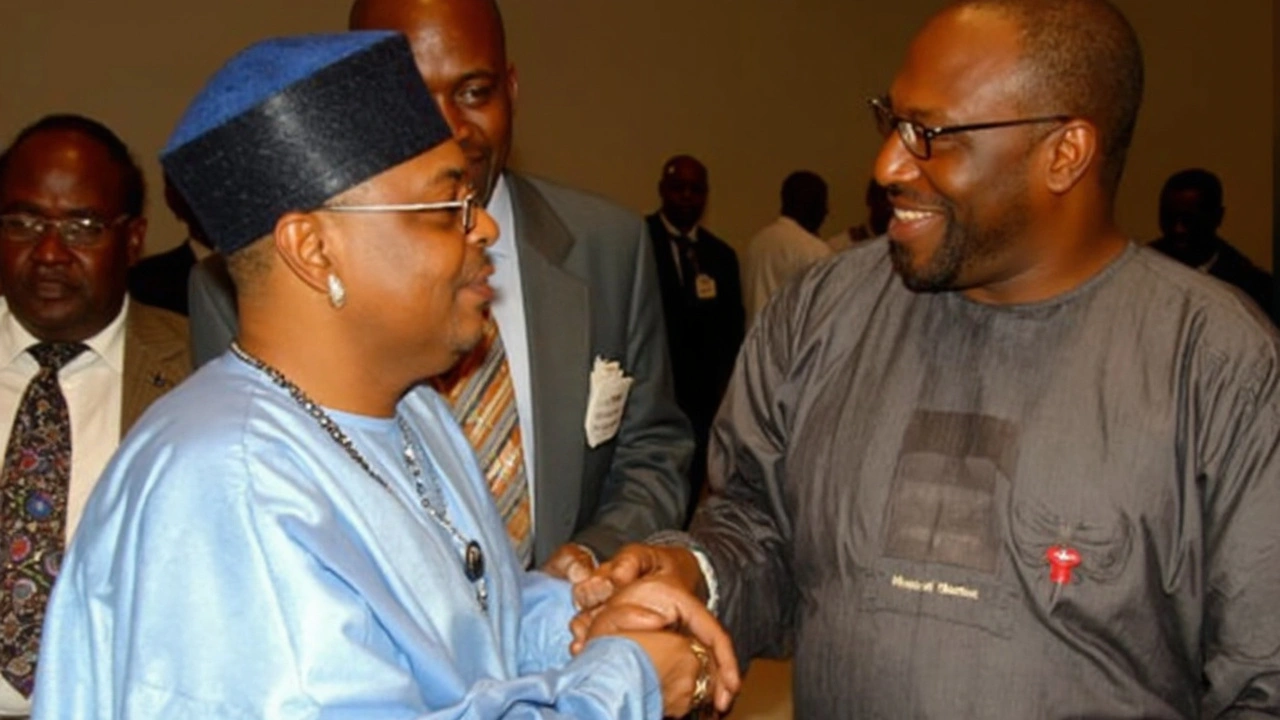
Dele Momodu Advocates Forgiveness Following Ibrahim Babangida's Admission on 1993 Election Annulment

by Themba Sweet February 27, 2025 Politics 14
Dele Momodu Advocates Forgiveness Following Ibrahim Babangida's Admission on 1993 Election Annulment

Ibrahim Babangida's Regret for the 1993 Annulment

The recent admission by Ibrahim Babangida regarding his role in the annulment of Nigeria's 1993 presidential election has reignited discussions about one of the most tumultuous periods in the country's political history. During a book launch event in Abuja, Babangida took full responsibility, calling it a 'regrettable accident of history'. The 1993 election is often hailed as Nigeria's most free and fair, and its annulment has been a source of significant controversy and critique. Babangida's openness about his regrets, however, has drawn varied responses.

The statement comes at a time when Nigeria continues to grapple with the legacies of past political decisions. Babangida expressed his remorse and described the rapid sequence of mistakes and missteps that led to the annulment. 'I regret June 12,' he stated, noting that the nation deserves an expression of regret from him.
Mixed Reactions and Calls for Forgiveness

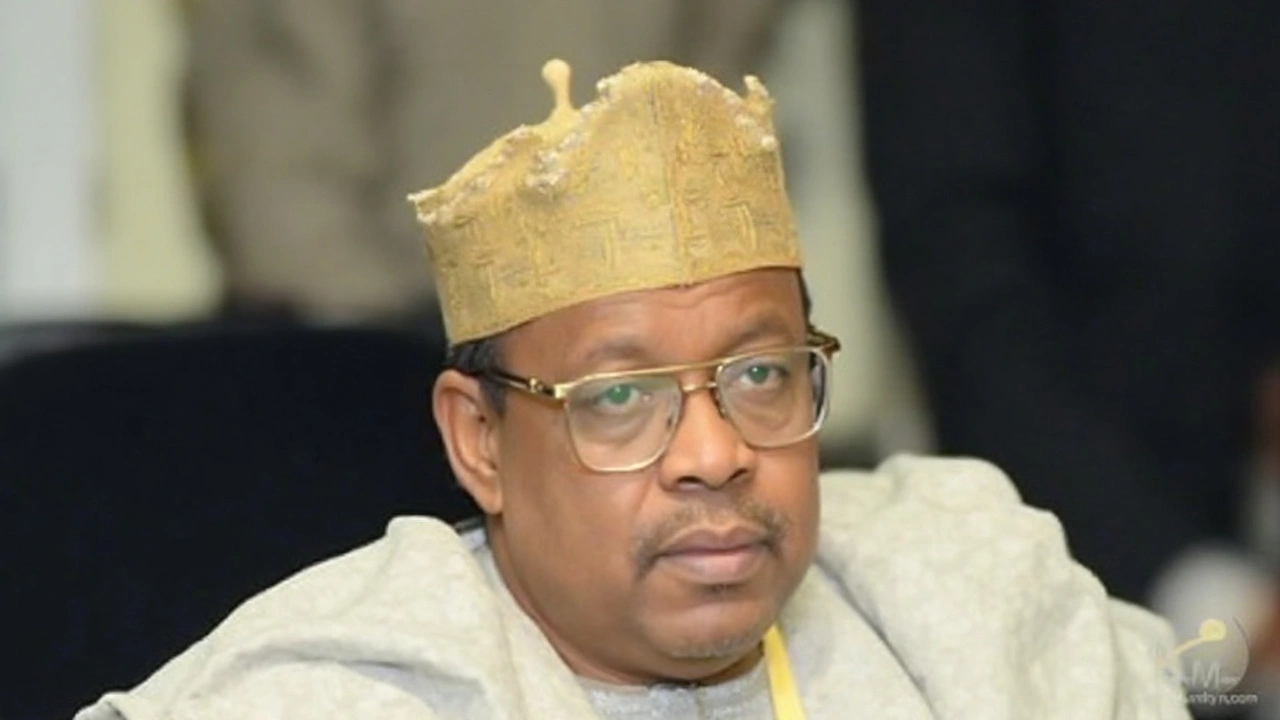
Mixed Reactions and Calls for Forgiveness

The announcement elicited a spectrum of reactions from public figures and the general populace. Media mogul Dele Momodu was quick to offer forgiveness, saying, 'I forgave him a long time ago.' Momodu called for Nigerians to look beyond the past and work towards national reconciliation and healing, echoing sentiments that many feel are necessary for moving forward.

Prominent figures like human rights lawyer Mike Ozekhome praised Babangida's courage for admitting his errors publicly, viewing it as a positive step towards transparency. Politician Femi Fani-Kayode also commended the gesture, highlighting Babangida's leadership and willingness to confront his past actions head-on.

Yet, not everyone was as forgiving. Members of the Abiola family, including Hafsat Abiola-Costello, dismissed Babangida's confession as tardy and insufficient, emphasizing that it does little to erase the profound injustices experienced by their family and their supporters. The annulment's ramifications continue to be deeply felt, with many Nigerians believing that family members should have seen justice years ago.

Public figures and organizations like banker Atedo Peterside and the Committee for the Defence of Human Rights (CDHR) criticized the timing of the apology as 'three decades too late'. These groups argue that victims of the annulment deserve legal redress and that Babangida's admission should lead to accountability, not just an acknowledgment.

Additionally, critics have pointed out Babangida's tendency to shift blame onto deceased officials like Sani Abacha and Humphrey Nwosu, arguing that such narratives detract from his full responsibility. Despite these criticisms, the discussion represents a broader societal debate on how to balance forgiveness with justice, especially concerning the country's political past.

The ongoing debate showcases the enduring complexity and division surrounding historical events within Nigeria, revealing a populace still searching for closure and justice decades later. Babangida's confession is certainly a step, but whether it is a step forward remains to be determined by the collective response it ignites.
Author: Themba Sweet
Themba Sweet
I am a news journalist with a passion for writing about daily news in Africa. With over 20 years of experience in the field, I strive to deliver accurate and insightful stories. My work aims to inform and educate the public on the continent’s current affairs and developments.

14 Comments

  • Chandan Gond said:
    February 28, 2025 AT 16:48
    This is huge. After all these years, someone with power actually says 'I messed up'-no excuses, no spin. That’s rare. Real rare. 🙌
  • Hailey Parker said:
    February 28, 2025 AT 20:24
    Forgiveness is a gift you give yourself, not a reward for someone else’s redemption. Babangida’s apology? Sweet. But sweet doesn’t undo a stolen democracy. 🤷‍♀️
  • John Bartow said:
    March 2, 2025 AT 16:53
    You know, in Nigeria, political accountability doesn’t come in press releases-it comes in restitution. Babangida’s words are poetic, sure. But poetry doesn’t pay for lost careers, broken families, or the decades of instability that followed. The real test isn’t whether he regrets it-it’s whether he’s willing to give back what he took. And he hasn’t.
  • Mark L said:
    March 4, 2025 AT 09:58
    I forgave him too 😔 but like… can we at least get a memorial for MKO? Or a national holiday? This feels like a movie scene without the ending 🎬
  • Orlaith Ryan said:
    March 5, 2025 AT 01:09
    Forgiveness is healing! Let’s move forward! 💪✨
  • Jacquelyn Barbero said:
    March 6, 2025 AT 19:15
    I think Dele Momodu’s response is beautiful. Forgiveness doesn’t mean forgetting-it means choosing peace over poison. And honestly? That’s the bravest thing you can do.
  • toby tinsley said:
    March 7, 2025 AT 02:53
    There’s a difference between remorse and responsibility. One is emotional; the other is structural. Babangida’s regret is valid-but without legal consequence, institutional reform, or reparative action, it remains performative. We mustn’t confuse confession with justice.
  • Chris Richardson said:
    March 7, 2025 AT 07:22
    Honestly? I’m glad he said it. Even if it’s late, saying it out loud matters. People forget how heavy guilt can be when you carry it alone for 30 years. That takes guts.
  • Arvind Pal said:
    March 7, 2025 AT 23:00
    Babangida finally spoke but the people who lost everything are still waiting
  • Mark Archuleta said:
    March 8, 2025 AT 17:33
    The institutional failure here isn’t just Babangida’s-it’s the entire post-colonial elite structure that normalized authoritarianism as governance. His admission is a symptom, not the disease. We need systemic accountability, not individual confessions. The CDHR’s call for legal redress isn’t just reasonable-it’s non-negotiable.
  • Pete Thompson said:
    March 10, 2025 AT 12:14
    Let’s be real-this is just PR. He waited until he was irrelevant to apologize. If he truly cared, he’d have done this in 1994, not 2024. Also, why is everyone acting like this is some moral breakthrough? We’re talking about a man who rigged elections, crushed dissent, and let thousands die. Don’t turn tyranny into a redemption arc.
  • Hailey Parker said:
    March 12, 2025 AT 09:49
    Wow. You just called a man’s regret ‘PR’ while ignoring that the only reason this conversation is happening is because he *chose* to speak. Maybe the real PR is pretending forgiveness is weakness. Or that justice can only exist in a courtroom. Sometimes, the first step is just saying ‘I’m sorry’-even if it’s late. Don’t let cynicism steal the possibility of healing.
  • Richard Berry said:
    March 12, 2025 AT 12:45
    i think momodu is right like… we gotta stop holding onto the pain forever. it just eats us alive. maybe we can’t fix the past but we can build a better future. 🤝
  • jai utkarsh said:
    March 13, 2025 AT 03:02
    The entire discourse around Babangida’s apology reveals the moral bankruptcy of post-colonial African political culture: the fetishization of personal contrition as a substitute for structural accountability. Forgiveness, as offered by Momodu, is a bourgeois luxury for those who never lost their children to political violence. This is not reconciliation-it is epistemic violence cloaked in sentimental rhetoric. We must not confuse catharsis with justice, nor performative humility with reparative action. The Abiola family’s silence speaks louder than any press release.

Write a comment