
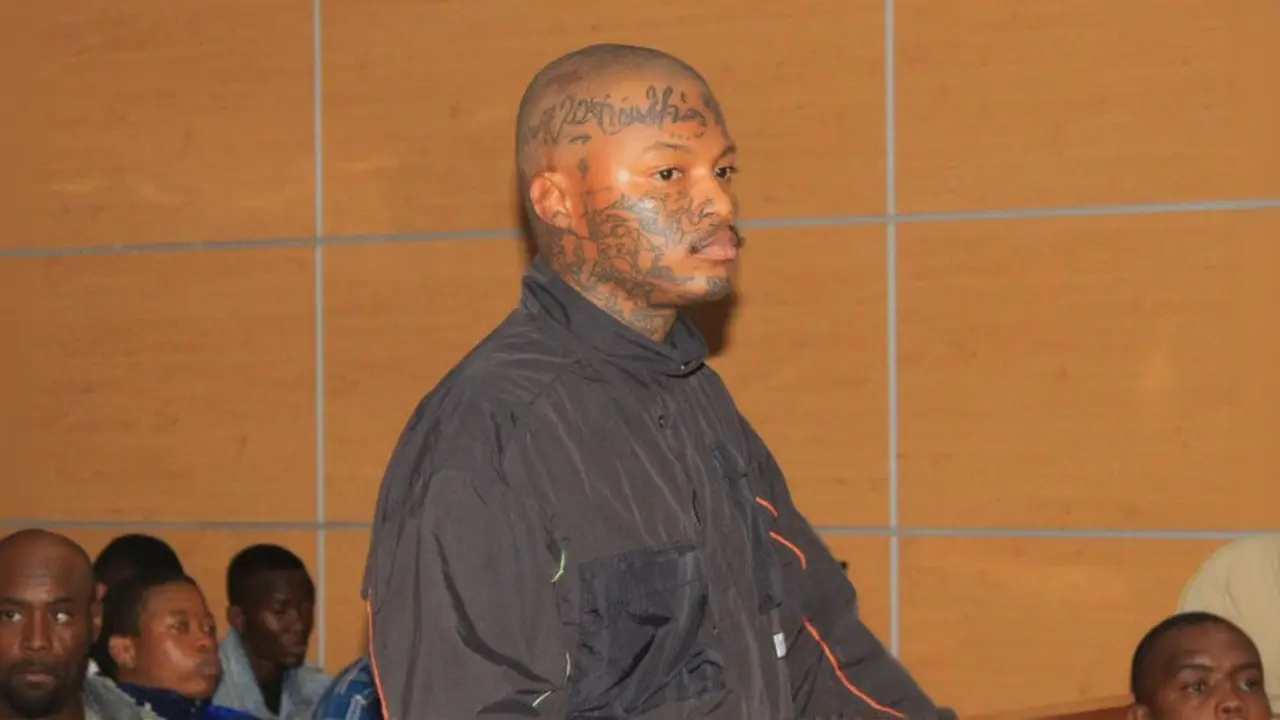
The legal saga of Shebeshxt has hit a surprising wall of silence, as recent attempts to track the specifics of his bail hearing and new potential charges have yielded virtually no public records. In a case that typically generates a storm of social media chatter and tabloid headlines, the current lack of verified court documentation is leaving fans and legal observers in the dark. It's an odd situation; usually, when a high-profile figure faces the bench, the details leak within hours.
Here's the thing: while the internet is buzzing with rumors, there is a glaring gap between the gossip and the official record. No formal court documents, no official press releases from the prosecution, and no verified reports from major news outlets have surfaced to confirm the exact nature of the new charges or the outcome of the bail application. For a public figure whose every move is scrutinized, this sudden information blackout is, frankly, peculiar.
- Primary Subject: Shebeshxt (Public figure/Artist)
- Current Status: Awaiting verified court outcomes regarding bail
- Information Gap: Absence of official court transcripts or charge sheets
- Context: High public interest vs. low official transparency
The Frustration of the Information Void
Trying to piece together this story has been like chasing a ghost. In most high-profile criminal cases in South Africa, the judicial process follows a predictable pattern of arrests, first appearances, and bail hearings. However, the search for data on Shebeshxt's recent legal hurdles has returned nothing but unrelated noise—everything from Kenyan parliamentary rulings to health studies on processed foods. It's as if the legal records have been scrubbed or, more likely, haven't been uploaded to the public domain yet.
Turns out, this isn't just a matter of poor searching. It's a systemic issue with how celebrity legal matters are sometimes handled in the early stages. Often, there's a "quiet period" where legal teams negotiate behind closed doors before a formal announcement is made. But for the public, this creates a vacuum that is quickly filled by speculation and misinformation on platforms like X and TikTok.
Why the Silence Matters
The lack of transparency isn't just a headache for journalists; it affects the public's perception of justice. When a celebrity is involved, there's always the lingering question: is the process being expedited, or is it being stalled? Without a clear timeline—such as a specific date for the Bail Hearing—the narrative is controlled by whoever has the loudest megaphone on social media, not the facts of the law.
Analyzing the Legal Ripple Effects
If the charges are as serious as some rumors suggest, the bail hearing would be the pivot point for the entire case. In South African law, bail is not a right but a judicial discretion based on the risk of the accused fleeing or interfering with witnesses. For an artist with a massive following, the "flight risk" argument often clashes with their deep roots and business ties in the community.
Legal experts suggest that the absence of news could mean one of two things. Either the proceedings were handled as a formality with a quick release, or the state is building a more complex case that requires more time before they are ready to go public with the specifics. The latter would be more concerning for the defense, as it implies a deeper investigation into the alleged crimes.
Interestingly, the contrast between the "digital noise" and the "legal silence" is stark. While thousands of fans are demanding updates, the South African Police Service (SAPS) and the National Prosecuting Authority (NPA) haven't provided a standard briefing. This creates a tension that only grows as the days pass without a formal update.
The Broader Context of Celebrity Justice
This situation mirrors other instances where the "court of public opinion" moves faster than the actual court. We've seen this pattern before with other musicians and influencers who find themselves in legal jeopardy. The cycle is always the same: arrest, social media frenzy, a period of silence, and then a sudden legal resolution that often surprises everyone.
But wait, there's a human element here too. Beyond the headlines, there's a person navigating a stressful legal system. The pressure of being judged by millions before a magistrate even opens the case file is an immense burden. It makes the need for factual, verified reporting even more critical to prevent a "trial by Twitter." (or X, as it's now called).
What to Watch for Next
Moving forward, the focus will be on three things: the release of the formal charge sheet, the official statement from the defense attorney, and the eventual court date. Once these documents surface, we'll be able to see if the charges are minor infractions or something that could significantly impact the artist's career and freedom.
The details are still unclear, but the pattern suggests that a resolution is coming. Whether it's a victory for the defense or a setback for the artist, the eventual reveal will likely be a tidal wave of information after this long drought. For now, we are left waiting for the official record to catch up with the rumors.
Frequently Asked Questions
Why is there no official information about Shebeshxt's bail hearing?
Official court documents often take time to be processed and uploaded to public databases. In high-profile cases, there may also be a temporary gag order or a strategic decision by legal teams to keep proceedings private until a specific stage of the trial is reached, leading to a temporary void in news reporting.
What typically happens during a bail hearing in South Africa?
A magistrate evaluates whether the accused is a flight risk, a danger to the community, or likely to intimidate witnesses. The court decides if the person can be released on their own recognizance, with a financial guarantee (bail money), or if they must remain in custody until the trial begins.
Who is responsible for releasing the charges in these cases?
The National Prosecuting Authority (NPA) and the police are generally responsible for the formal announcement of charges. However, the defense team often releases a curated version of the facts to the media to manage the public image of their client.
How can the public find verified legal updates?
The most reliable way is to monitor official court rolls or accredited legal news services. While social media provides immediate updates, verified journalists who attend the proceedings in person provide the only guaranteed accurate account of what happened inside the courtroom.
Omg the drama is actually insane!!
Like why is the system so slow when we all know exactly what happened? I bet there is some massive cover-up going on behind the scenes because this is just too suspicious for a celebrity case. I've been following this for days and the silence is literally deafening! We need the tea NOW!
Oh sure, because the judicial system is just world-renowned for its speed and transparency. Truly shocking that a government body isn't updating a website every five minutes for the fans.
Imagine thinking the court cares about your TikTok feed.
Absolute madness! One day it's total silence and the next day it'll be a nuclear explosion of news that changes everything. The suspense is literally killing me at this point!
In South African legal proceedings, specifically during the initial stages of a bail application, it is common for the state to withhold specifics if they believe public disclosure could jeopardize the integrity of the investigation or lead to witness intimidation. The lack of digital records often stems from the fact that many lower courts still rely on physical filing systems before data is migrated to a searchable online database, which creates a natural lag in information availability.
I actually agree with the point about the systemic issues because if you look at how celebrity cases are managed globally, there is often this weird dance between the defense and the prosecution where they agree on certain disclosure dates to avoid a media circus, and while that might seem efficient for the lawyers, it really does leave the average person feeling like the system is rigged or just broken, especially when you consider the impact of social media misinformation filling those gaps in real-time.
This is just basic stuff. Only poor people care about this gossip.
Keep your head up everyone! 🚀 The truth always comes out in the end! Just stay positive and wait for the official word! 🔥💪
just gotta be patient and let the process work its way through we all get through tough times
It's honestly just stressful for everyone involved :( hope things get sorted peacefully :)
Sending good vibes to everyone waiting for news! ✨ It's so hard when you're just wanting the truth but the system is slow. If anyone knows of a reliable legal tracker for SA courts, please share! 💖
Enough with the guessing! We just need the facts and the court to do its job. Let's stop the rumors and wait for the real documents to drop!
I think it's best we just give the legal team some space to work. Respecting the boundary of the court is the only way this ends well.